
Steel Road Bikes and the Golden Age of Italian Cycling
From hand-forged frames by master artisans to epic victories that made Italy the most beloved road cycling nation in the world.
✦ Columbus Steel · Legendary Champions · Timeless Craftsmanship ✦
The history of the bicycle is also the history of speed, craftsmanship, and human ambition. In Italy, that story reached one of its highest points between the late 1950s and the early 1980s, when steel road bikes became the symbol of racing excellence, technical refinement, and handmade beauty.
Those were the years when the bicycle was not just a vehicle or a sporting tool. It was a machine shaped by artisans, tested by champions, and admired by generations of riders who saw in it something almost heroic.
✦ An era when Italy redefined the art of the racing bicycle: Columbus steel frames, Campagnolo components, and the mastery of builders who transformed tubes into two-wheeled masterpieces. ✦
The Rise of the Modern Bicycle
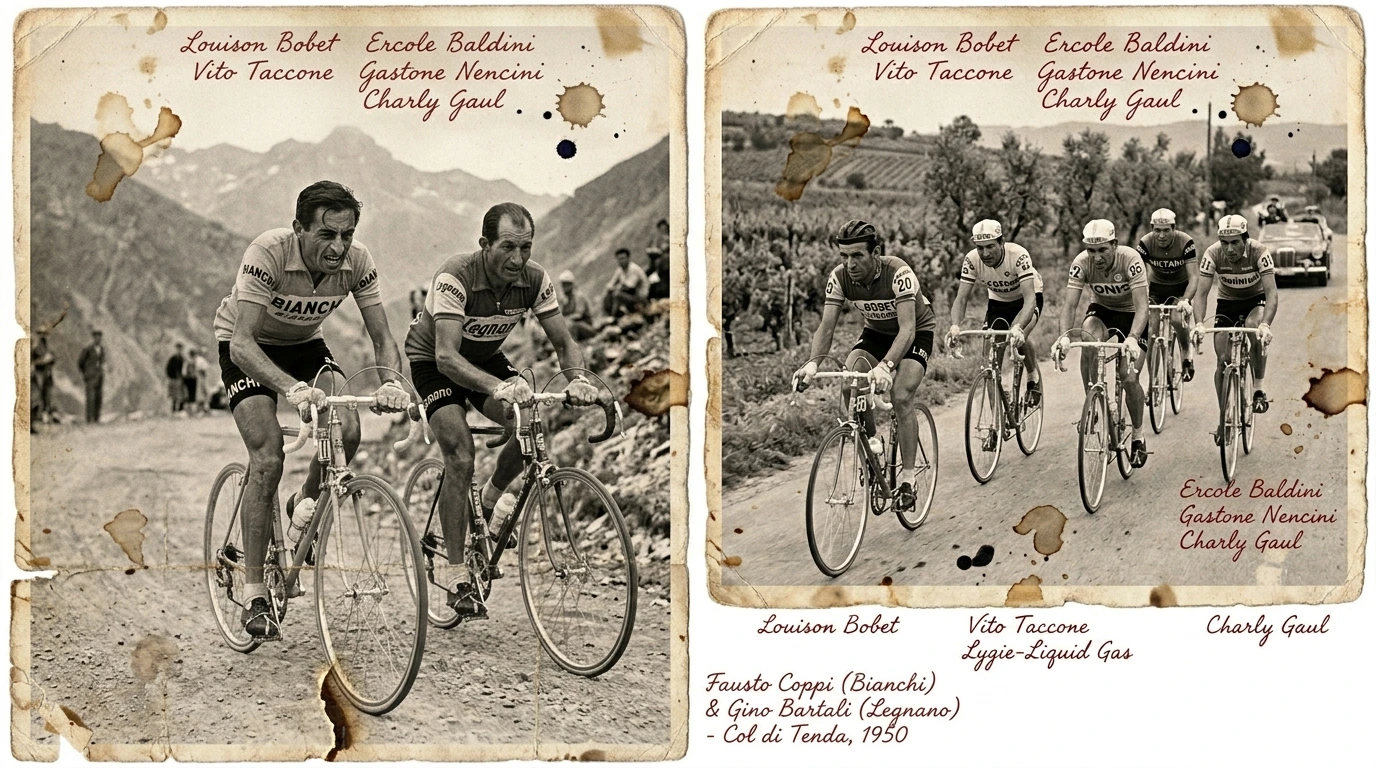
The modern bicycle did not appear overnight. It evolved through decades of experimentation, from early balance machines and high-wheelers to the safer, more practical bicycles that introduced the chain-driven transmission, pneumatic tires, and a geometry closer to what we recognize today.
By the time road racing became a serious discipline, the bicycle had already become an object of both utility and passion. In Italy, where cycling culture was deeply connected to everyday life, the bicycle quickly moved beyond transport and became part of the national imagination.
| Period | Key Innovation |
|---|---|
| 1860s | First pedal bicycles in France and England |
| 1880s | Introduction of chain drive and diamond frame |
| 1890s | Pneumatic tires and first organized cycling competitions |
| 1900–1940 | Consolidation of cycling as a mass sport in Italy |
| 1950–1980 | The Golden Age: steel, craftsmanship, and legendary champions |
Why Steel Became the Standard
From the postwar years through the early 1980s, steel was the material of choice for racing bicycles in Italy. It offered the ideal balance of strength, weight, resilience, and ride quality. A well-built steel frame could be lively without being harsh, stable without feeling dull, and durable enough to survive the demands of long racing seasons.
But steel was more than a technical solution. It was the material of the frame builder’s craft. Italian builders could braze, shape, and adjust steel tubes with extraordinary precision, creating frames tailored to each rider’s body, style, and race needs. This gave Italian road bikes a character that mass-produced machines often lacked.
The Art of the Italian Frame Builder
Italy’s golden era of racing bicycles was also the golden era of the frame builder. In workshops across the country, especially in regions with strong mechanical traditions, artisans refined the details that made a bike faster, cleaner, and more elegant.
Small but important innovations appeared in these years: improved cable routing, better brazed fittings, refined dropout designs, integrated bottle-cage mounts, and more precise seatpost clamps. Each detail mattered. Together, they helped define the personality of the classic Italian steel race bike.
The best builders did not merely assemble tubes. They designed experiences. They thought about how a bicycle would climb, descend, corner, and respond under effort. That attention to detail turned many Italian road bikes into iconic objects.
| Builder | Region | Distinctive Feature |
|---|---|---|
| Bianchi | Lombardy | The oldest brand (1885), symbol of Italian cycling |
| Cinelli | Lombardy | Innovation in frames and component design |
| Colnago | Lombardy | Mastery in steel frames and racing geometry |
| De Rosa | Lombardy | Excellence in high-end artisanal construction |
| Masi | Lombardy | Frames renowned for responsiveness and beauty |
Components and Mechanical Progress
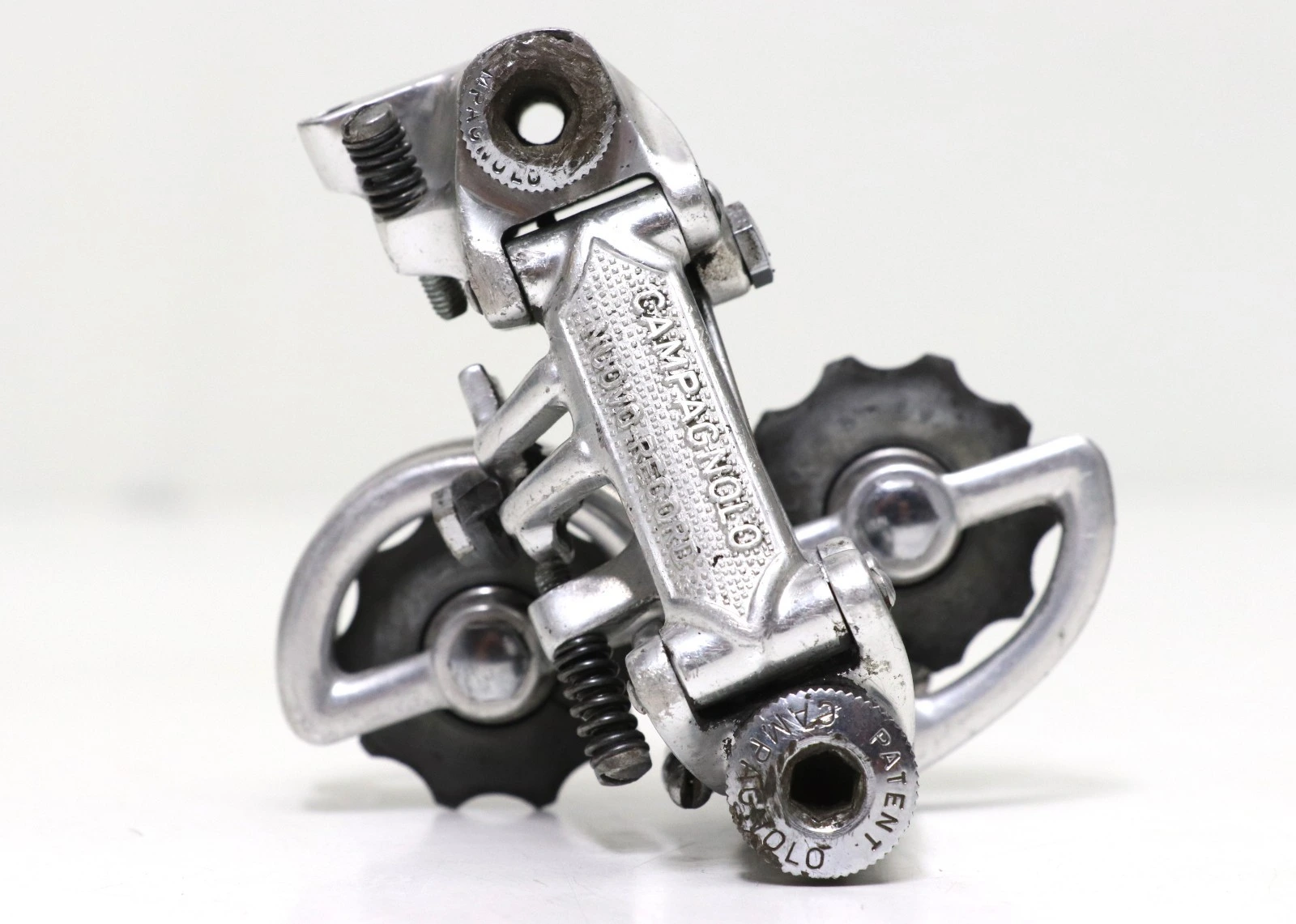
A frame is only part of the story. The other half was the rapid evolution of components. During this period, Italian cycling also became a laboratory for the improvement of derailleurs, brake systems, hubs, pedals, and cranksets.
Campagnolo played a decisive role in this evolution. Its components became a benchmark for performance and reliability, helping to define the look and feel of the professional racing bicycle. As shifting became smoother and braking more effective, road bikes became not only faster but more refined in use.
These changes did not erase the character of the steel bike. Instead, they enhanced it. The frame remained artisanal and expressive, while the component groups made the bike more competitive and responsive at the highest level.
The Heroic Age of Cycling
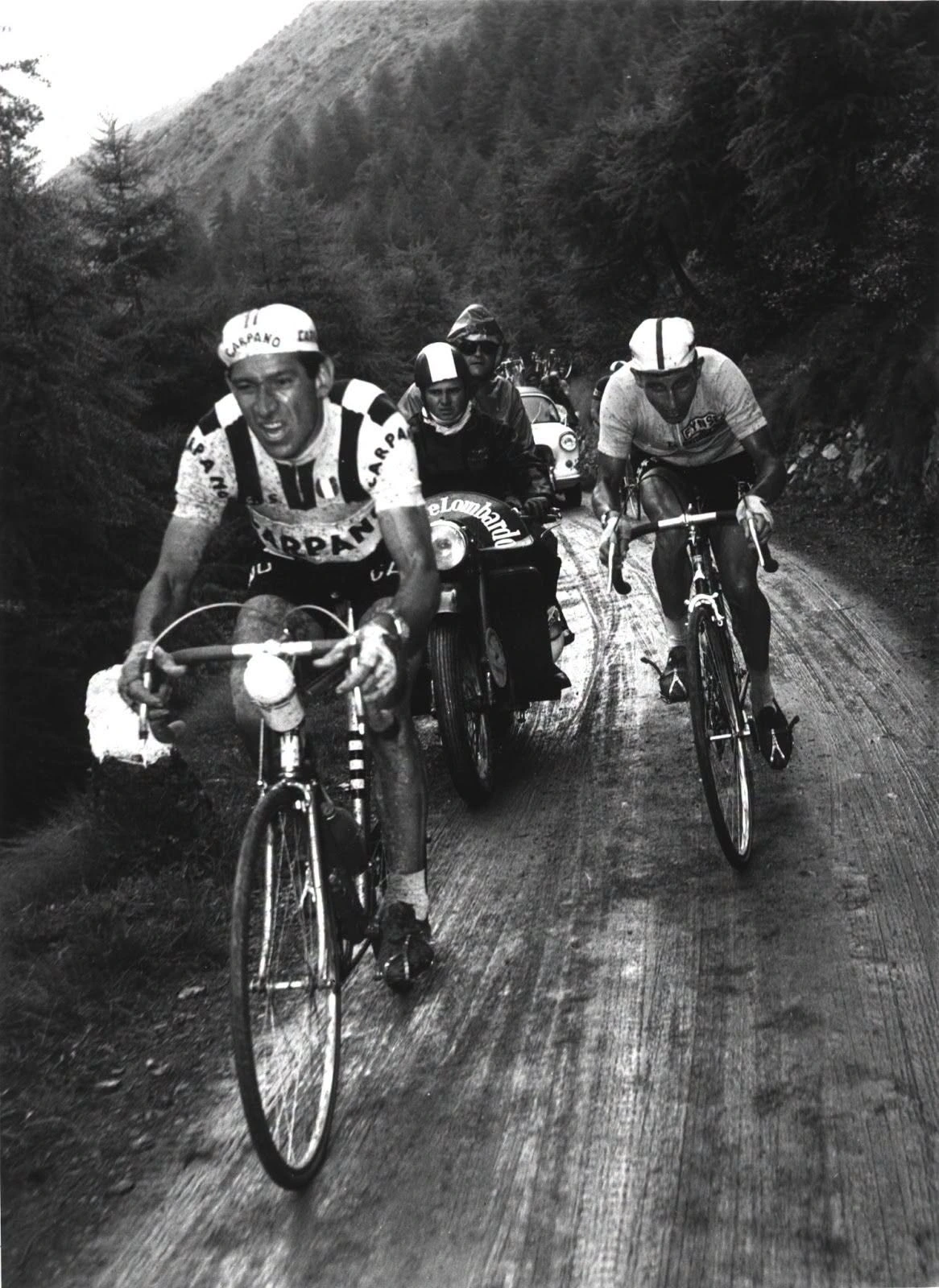
The phrase “heroic cycling” perfectly captures the spirit of this era. Races were harder, roads were rougher, and the equipment was less forgiving. Riders faced long distances, brutal climbs, changing weather, and mechanical problems with minimal assistance.
That difficulty was part of the appeal. A victory in those years felt earned not only by the athlete, but also by the machine beneath them. A steel road bike was expected to endure punishment, remain dependable, and still deliver the sharp response needed to win.
This is why so many people still romanticize the steel era. It represented an age when cycling was raw, physical, and deeply human.
Collector’s Tip: Owning a steel racing bike from this era means preserving a fragment of heroic history. Every scratch, every sign of wear, every original detail tells the story of champions who pushed human limits on two wheels. Look for frames with certified origin and period-correct components to ensure authenticity.
Champions and Victories
The greatness of Italian steel road bikes cannot be separated from the victories they helped achieve. Champions of the time gave these bicycles their aura. Each major success in the Giro d’Italia, in the classics, and in other prestigious races reinforced the image of Italian racing bikes as tools of excellence.
Felice Gimondi stands among the most important names of that era. His victories helped embody the strength and elegance of Italian cycling in the postwar decades. Around riders like him, the bicycle became a national symbol: not only of sport, but of style, endurance, and craftsmanship.
The bike and the rider were seen as a single unit. When a champion won, the frame builder, mechanic, and manufacturer won as well. That bond between human and machine remains one of the most compelling aspects of cycling history.
Timeline of the Golden Age
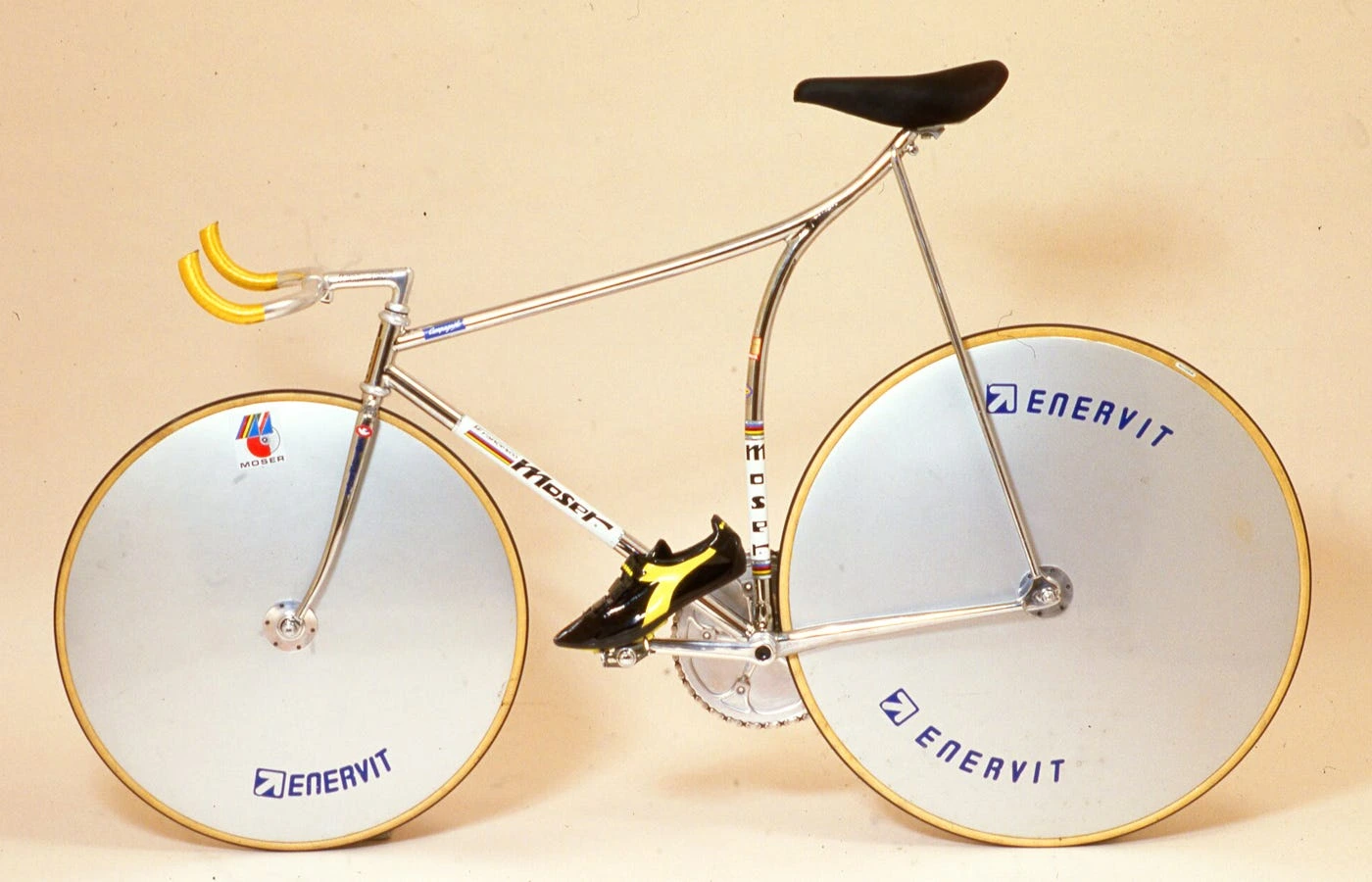
From Custom Fit to Mass Production
One of the defining features of this period was the custom-made bicycle. Frames were often built around the rider’s body, position, and purpose. Geometry was adjusted with care, making each bike a personal tool rather than a generic product.
This approach began to change in the late 1970s and early 1980s, when the industry started moving toward greater standardization, new materials, indexed shifting, and eventually carbon fiber. The steel road bike did not disappear immediately, but its dominance slowly gave way to a new technological era.
Still, the legacy of those decades endured. Even as materials changed, the principles of balance, proportion, and ride feel remained rooted in the steel tradition.
Why Steel Road Bikes Still Matter
Today, classic Italian steel road bikes continue to fascinate collectors, riders, and historians. Their appeal is not only aesthetic, though their lines, lugs, and paintwork are undeniably beautiful. Their real power lies in what they represent: a moment when engineering, sport, and handmade craftsmanship existed in perfect balance.
Riding or restoring one of these bicycles is often less about nostalgia than about connection. It means engaging with a period when every detail had a purpose and every bike carried the signature of both its maker and its era.
✦ For many enthusiasts, a steel road bike is not just an old bicycle. It is a living piece of cycling heritage. A legacy of passion and craftsmanship that continues to live on two wheels. ✦
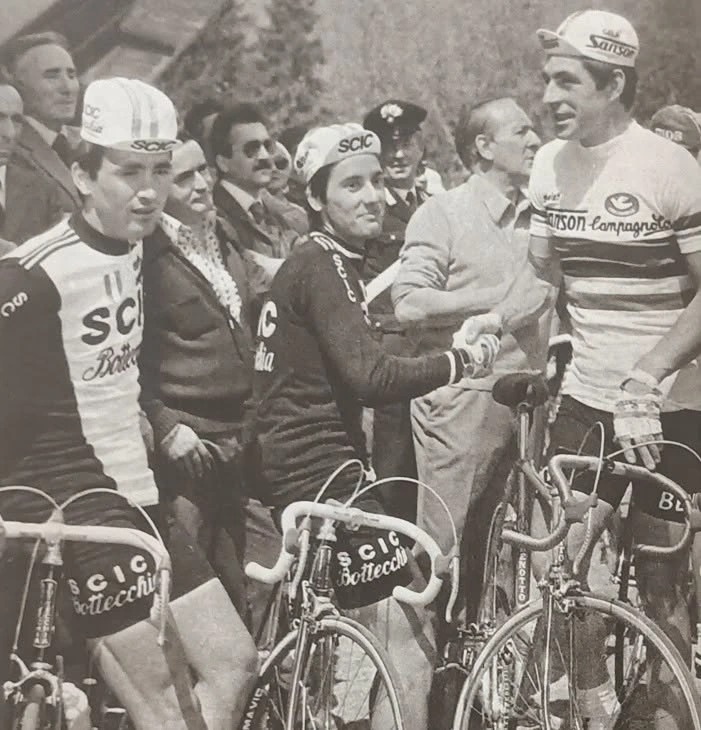
A Legacy That Rides into the Future
The golden age of Italian cycling is not just a memory. It lives in every collector who searches for an original Cinelli frame, in every mechanic who preserves a Campagnolo derailleur, and in every cyclist who, climbing onto a steel bike, still feels the magic of those years.
Steel bicycles from that era teach us that true innovation is not always about new materials, but about clear ideas, passion, and respect for the rider. Every frame tells a story of courage, every component is a lesson in engineering, every victory is a chapter in a collective novel that continues to inspire.
In an age of rapid change and digital technology, these bikes remind us of the value of things made well, with care, with effort, and with love. They are a bridge between past and present, an invitation to rediscover the beauty of simplicity and the power of a dream on two wheels.
Own a Piece of History
Explore our curated collection of vintage Italian steel racing bicycles. Each frame tells a legend, each component is a piece of cycling heritage.
VISIT THE COLLECTIONSince 2024, Ciclileggenda preserves and celebrates the legacy of Italian vintage cycling. Every bicycle in our collection has been verified for authenticity, provenance, and mechanical integrity.
Ciao, questo è un commento.
Per iniziare a moderare, modificare ed eliminare commenti, vai alla schermata dei commenti nella bacheca.
Gli avatar di chi lascia un commento sono forniti da Gravatar.